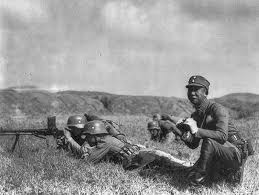
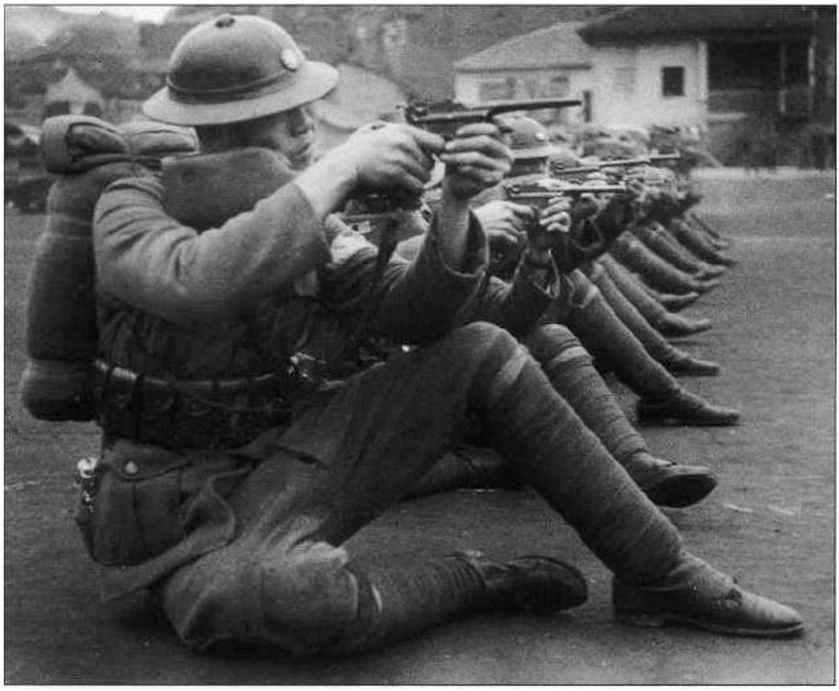
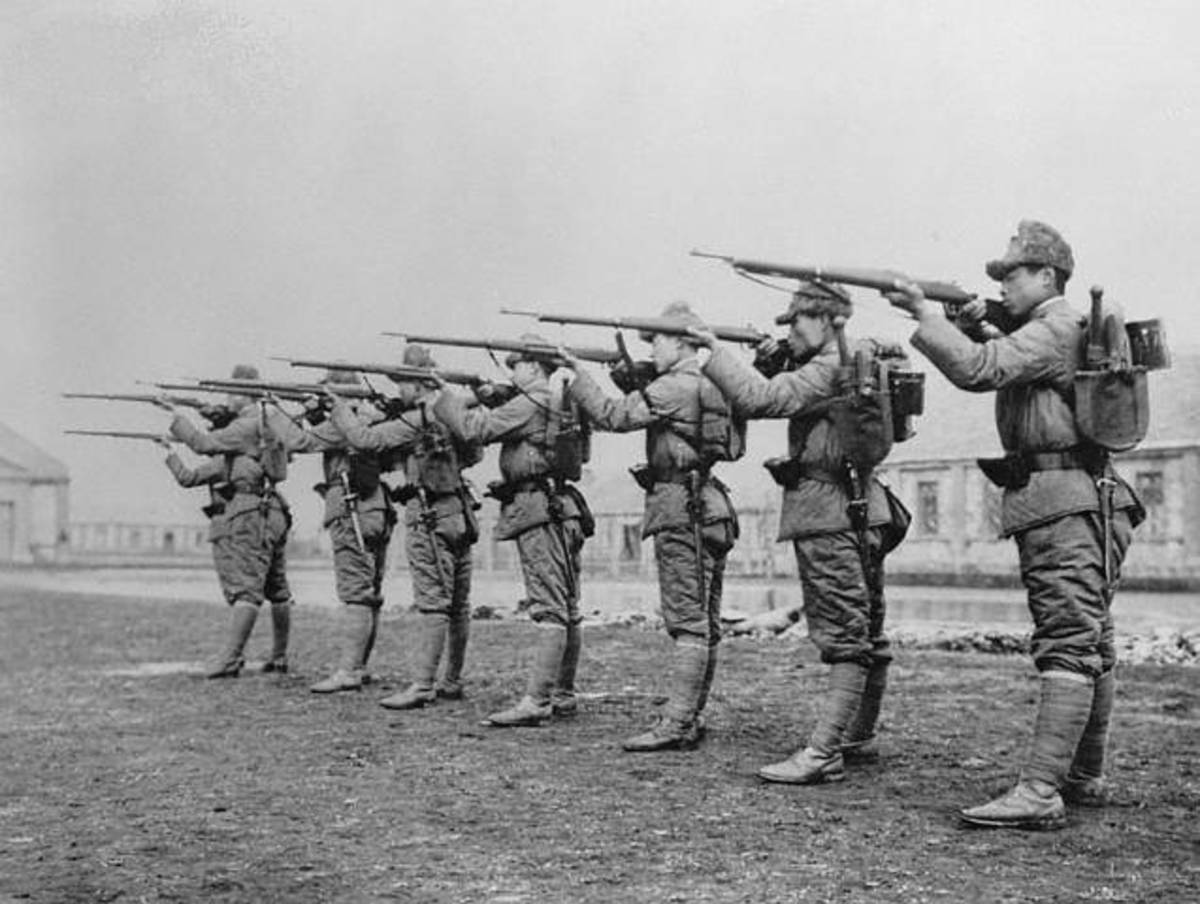
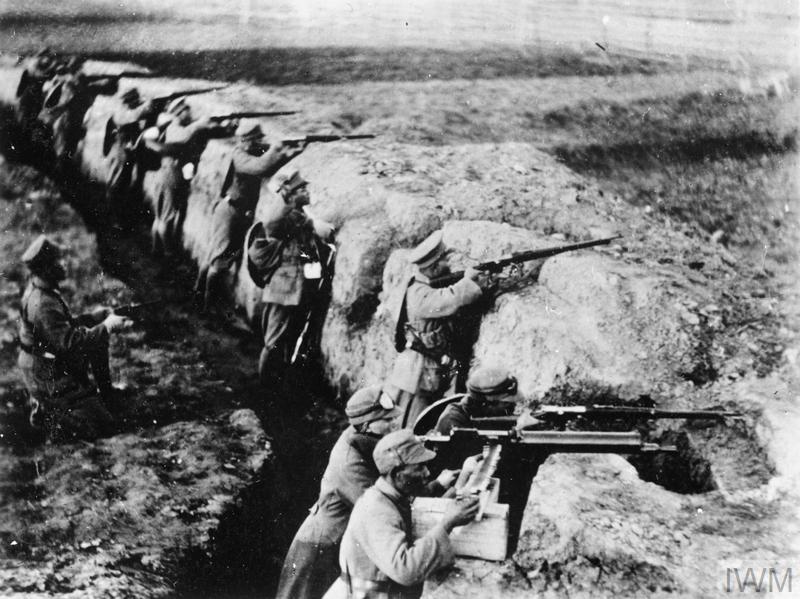
During the Second Sino-Japanese War (1937–1945) and the wider conflict of World War II, China struggled with limited industrial capability to produce armored fighting vehicles. As a result, the Nationalist government relied heavily on foreign aid, acquiring both tanks and armored cars from several nations. These vehicles played a crucial role in reconnaissance, mobile fire support, and defensive operations.
Tanks in Chinese Service
China’s use of tanks was defined by foreign imports, captured enemy vehicles, and limited domestic production.
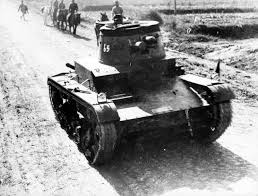
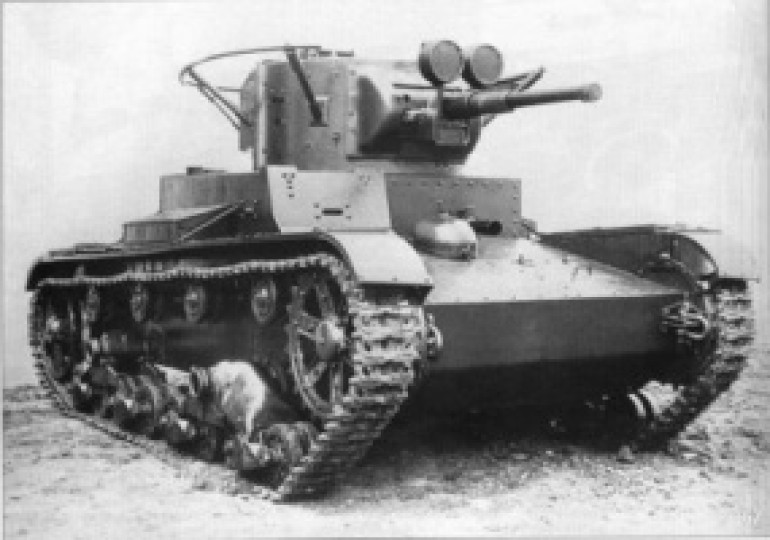
Soviet T-26 Light Tank
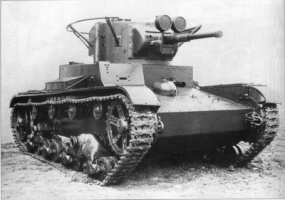
One of China’s most effective tanks during the war was the Soviet T-26, supplied by Moscow in the late 1930s. Armed with a 45mm gun, the T-26 was superior to the lighter Japanese tanks of the era. These Soviet tanks were deployed in battles against Imperial Japanese forces, proving their worth in combat.
German Panzer I and Italian CV33 Tankettes
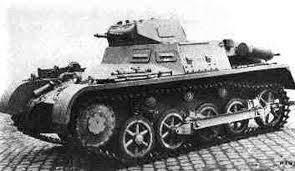
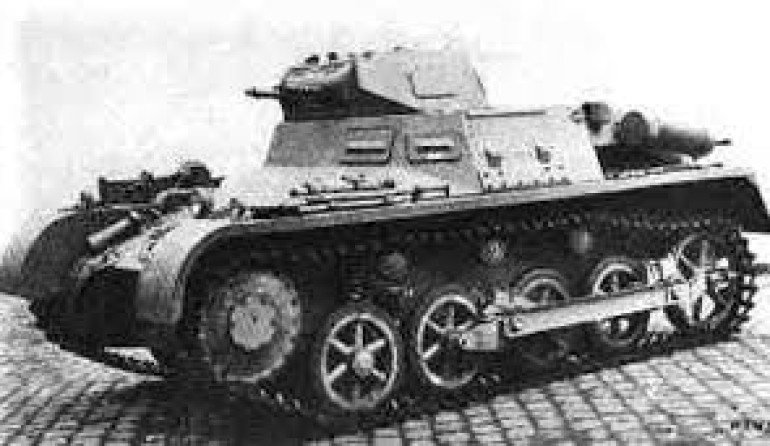
Before the outbreak of war, the Chinese Nationalists obtained Panzer I light tanks from Germany, primarily used for training. Additionally, Italy supplied CV33 tankettes, which were small, lightly armored vehicles equipped with machine guns. While neither vehicle was heavily armed, they helped China develop its armored tactics.
Imports from Vickers
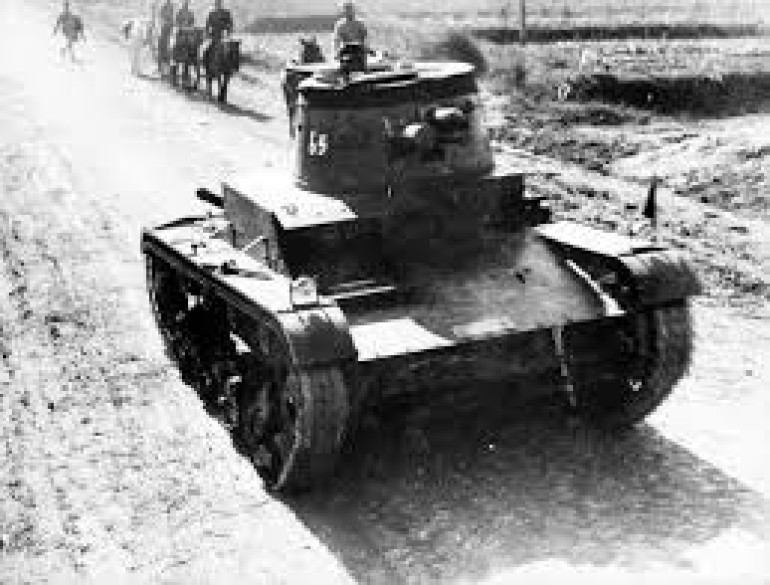
Following the recommendations of their German advisors, the KMT began pursuing arms contracts. Between 1930 and 1936, the Nationalists imported 60 tanks from Vickers, detailed as follows:
1930: 12 Vickers Mark VI Machine Gun Carriers with six trailers and spare parts.
Early 1933: 12 Vickers-Carden-Loyd Light Amphibious Tanks were sold to the Canton (Guangdong) Provincial Government. These were possibly unarmed. It is presumed that these were appropriated by the Nationalist Army, as the total number of tanks fielded by the KMT in Shanghai was approximately 60. Excluding these 12 VCL Light Amphibious Tanks, the number bought by the KMT reached 48. The figure of 60 presumably excludes the Vickers Dragon, an armored gun tow tractor sold in small numbers (possibly a dozen) to China.
Late 1933: 1 Vickers-Carden-Loyd Light Amphibious Tank.
Early 1934: 12 Vickers-Carden-Loyd Light Amphibious Tanks, 12 Vickers Mark E Type Bs (with 3200 47 mm/1.85 in rounds). Delivered to Nanking/Nanjing between 29th September – 13th November 1934.
Mid 1934: 4 Vickers-Carden-Loyd Light Amphibious Tanks, 4 Vickers Mark E Type Bs (with 2860 47 mm/1.85 in rounds, and numerous spare parts). Delivered between 11th March – 10th May 1935.
Late 1935: 4 Vickers-Carden-Loyd Light Amphibious Tanks, 4 Vickers Mark E Type Bs (with 2400 47 mm/1.85 in rounds). The Mark E Type Bs had extended turrets equipped with Marconi G2A radios. Delivered on 21st October 1936.
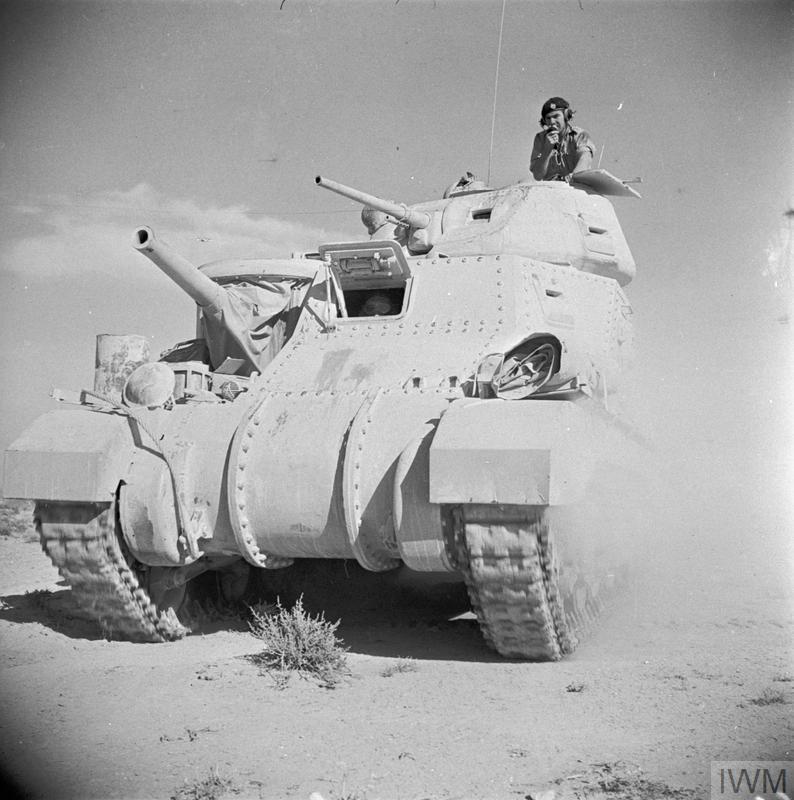
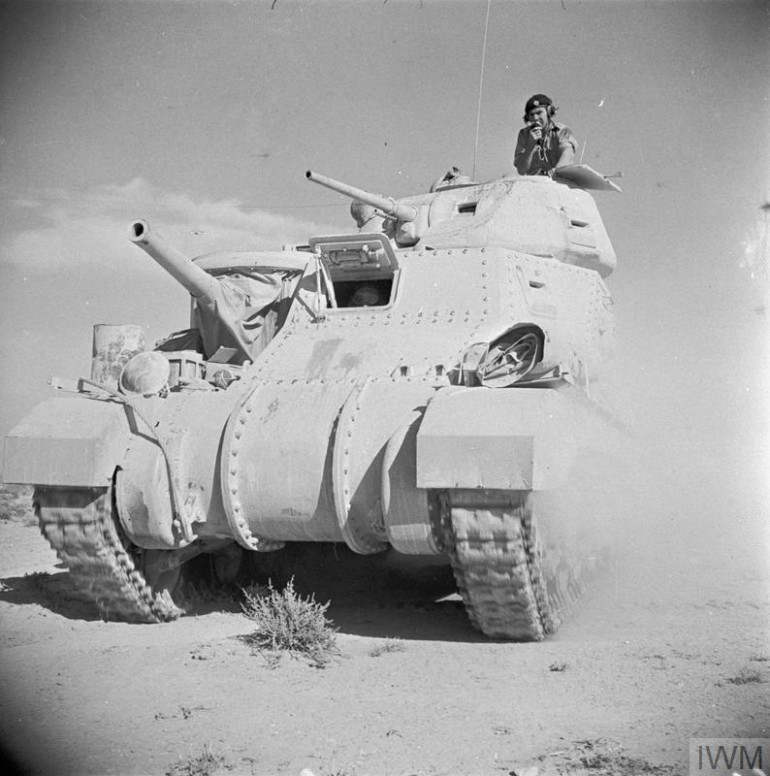
American M3 Stuart Light Tank
Through the U.S. Lend-Lease program, China received M3 Stuart light tanks. These vehicles were faster and better armed than their predecessors, offering improved mobility in battle.
Captured Japanese Tanks
Chinese forces also made use of captured Japanese tanks, including the Type 89 and Type 97 Chi-Ha. Although Japanese tanks generally lacked heavy firepower, their availability made them useful assets.
Armoured Cars in Chinese Service
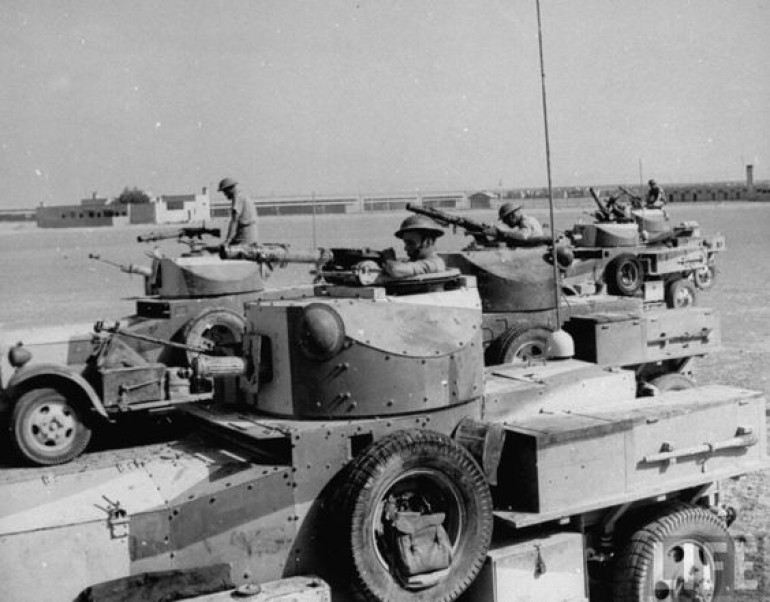
Armoured cars were particularly useful for reconnaissance and supporting infantry operations. Several foreign-supplied models saw action in China.
Soviet BA-6 and BA-10 Armored Cars
The Soviet Union provided China with BA-6 and BA-10 armored cars in the late 1930s. These wheeled vehicles featured light armor and a small turret-mounted gun, making them effective for scouting missions and engaging enemy infantry.
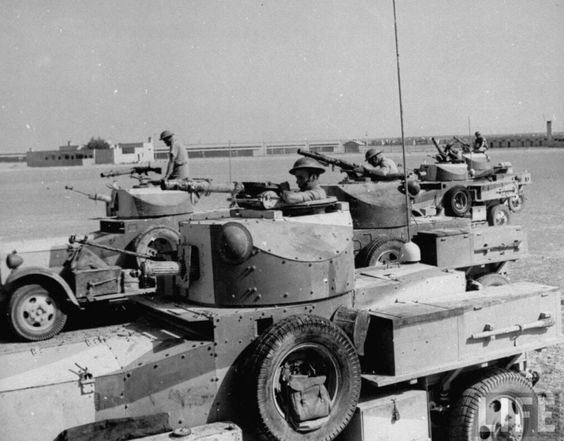
British Lanchester and Rolls-Royce Armored Cars
China acquired small numbers of British armored cars, such as the Rolls-Royce and Lanchester models. These vehicles were used by local warlord forces and the Nationalists for patrolling roads and securing strategic locations.
American M3 Scout Car
The M3 Scout Car, provided by the U.S., was a lightly armored transport vehicle often used for command and reconnaissance roles. It was employed by Chinese forces in later phases of the war.
The Role of Armor in China’s War Effort
While China lacked the industrial capability to mass-produce tanks or armored cars, foreign aid allowed it to field mobile forces against the Imperial Japanese Army. These vehicles played key roles in defensive operations, reconnaissance, and limited counterattacks, helping China resist Japanese expansion.
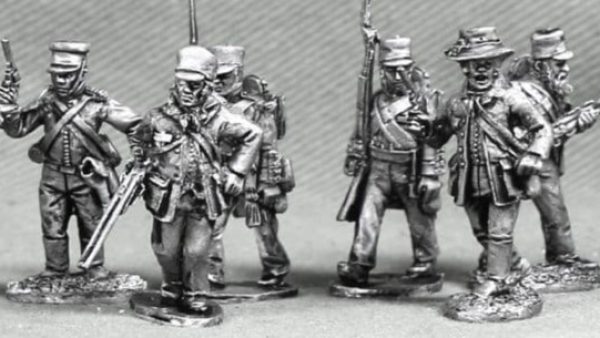
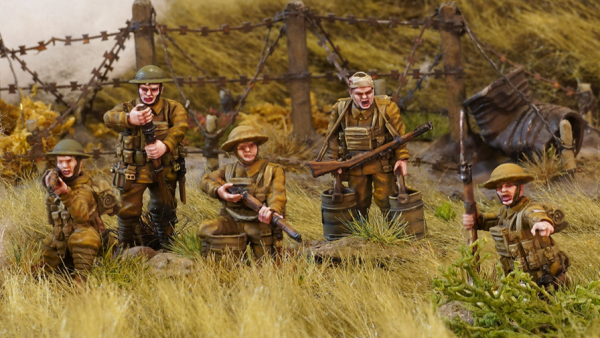
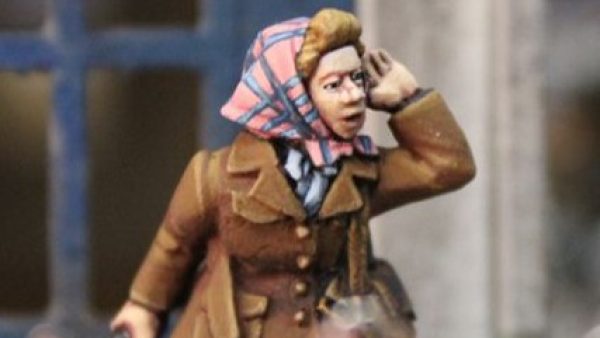
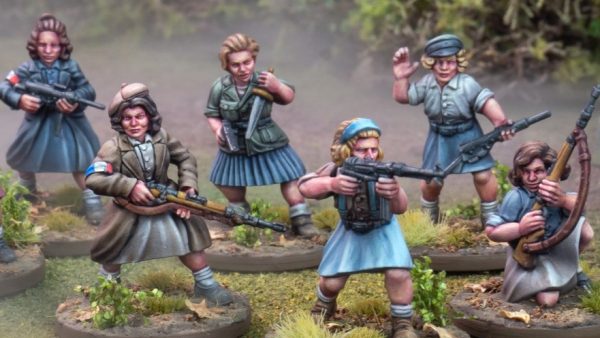
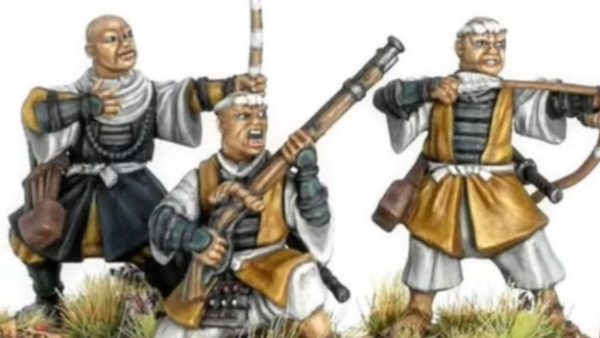
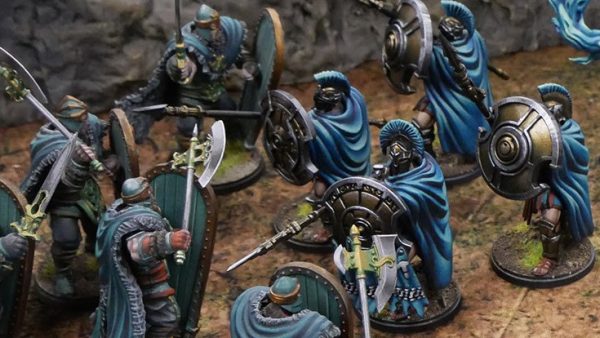
We take a look at some of the new collection of World War II Chinese that can be used to battle it out in 28mm wargames on the tabletop. We also take a quick look at Copplestone miniatures Back of Beyond range.
World War II was not only a global conflict that pitted the Axis Powers against the Allies, but it was also a defining moment in the history of China. While much of the focus on the war has traditionally been on Europe and the Pacific, China played a crucial and often overlooked role in the struggle against fascism. From 1937 to 1945, China was embroiled in a bitter and prolonged conflict with Imperial Japan, a struggle that would shape the nation’s political landscape and lay the groundwork for the eventual establishment of the People’s Republic of China in 1949.
The Second Sino-Japanese War (1937-1945)
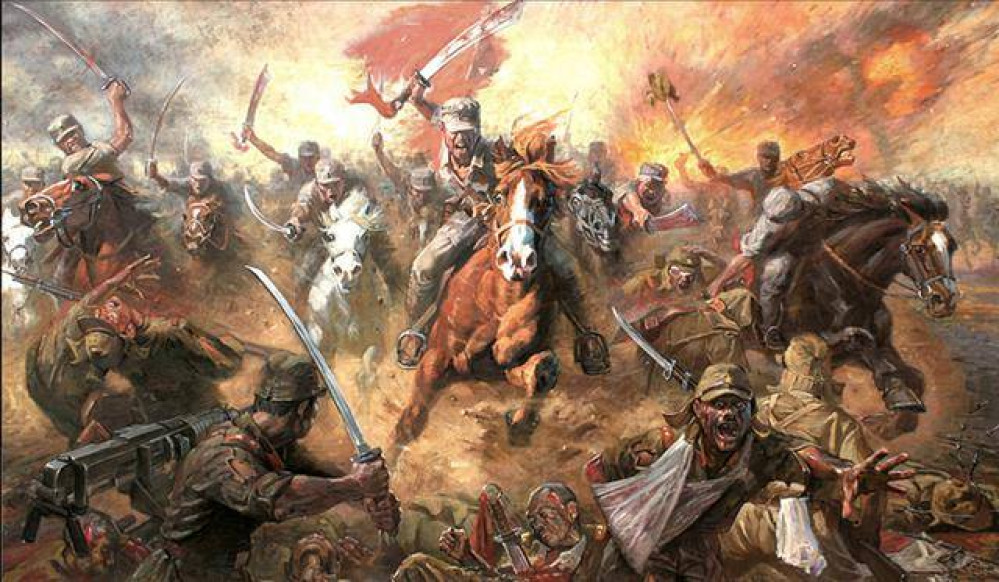
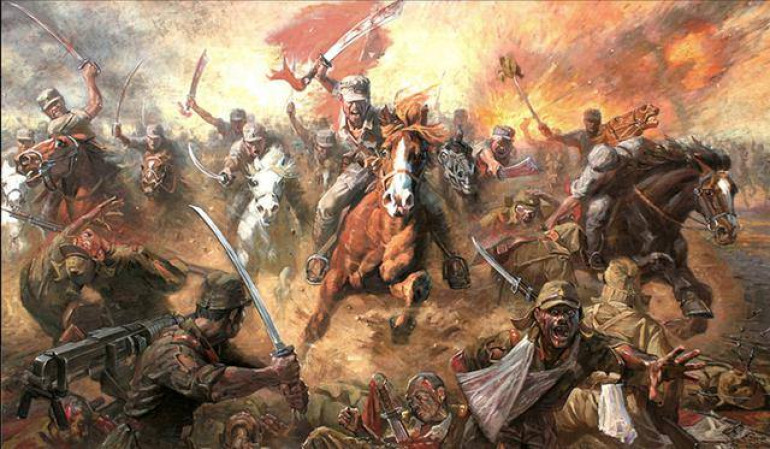
The roots of China’s involvement in World War II date back to the 1930s, when Japan, driven by imperial ambitions, began its aggressive expansion into China. The full-scale invasion began in 1937 with the Second Sino-Japanese War, which is often considered the Asian theater of World War II. Prior to this, Japan had already seized Manchuria in 1931, but the war escalated when Japanese forces attacked China proper in the Battle of Marco Polo Bridge on July 7, 1937.
This marked the beginning of a brutal war that would last for eight years, costing China millions of lives and untold suffering. The war was characterized by widespread atrocities, including the Nanjing Massacre, where Japanese soldiers killed an estimated 200,000 to 300,000 Chinese civilians and prisoners of war. The Japanese forces employed extreme tactics such as chemical warfare, forced labor, and mass executions, leaving deep scars on the Chinese population.
The Chinese Nationalist Government
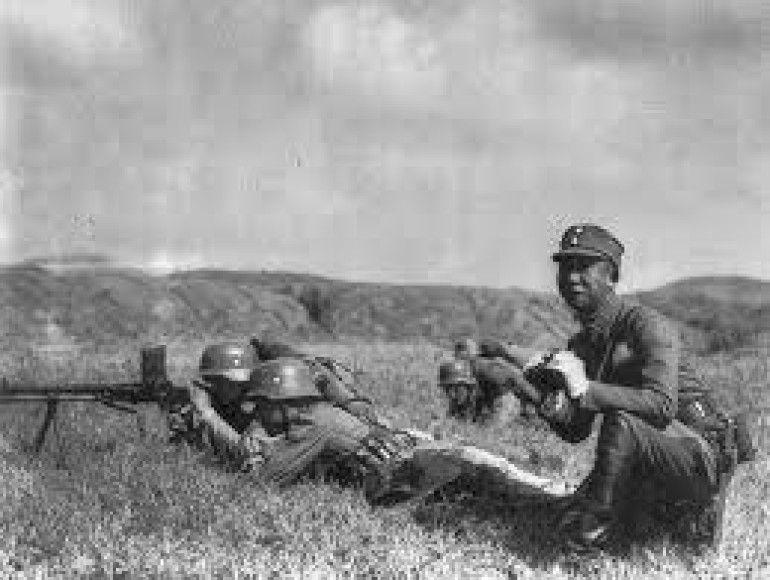
At the time, China was under the leadership of the Republic of China (ROC), a government led by the Nationalist Party (Kuomintang, KMT) and its leader, Chiang Kai-shek. Chiang’s government, based in the city of Chongqing after being forced to retreat from Nanjing, was embroiled in a long-running civil war with the Chinese Communist Party (CCP), led by Mao Zedong. Despite their ideological differences, both parties agreed to a temporary truce to confront the Japanese invasion. This uneasy alliance between the Nationalists and Communists, often referred to as the Second United Front, was essential in China’s resistance against Japan.
Chiang Kai-shek’s government struggled to maintain control over the vast and divided country, and much of the war’s fighting occurred in rural and mountainous regions far from the capital. Despite these challenges, the Nationalists managed to slow the Japanese advance, but they were ultimately unable to defeat the well-equipped Japanese forces alone.
The Role of the Chinese Communist Party
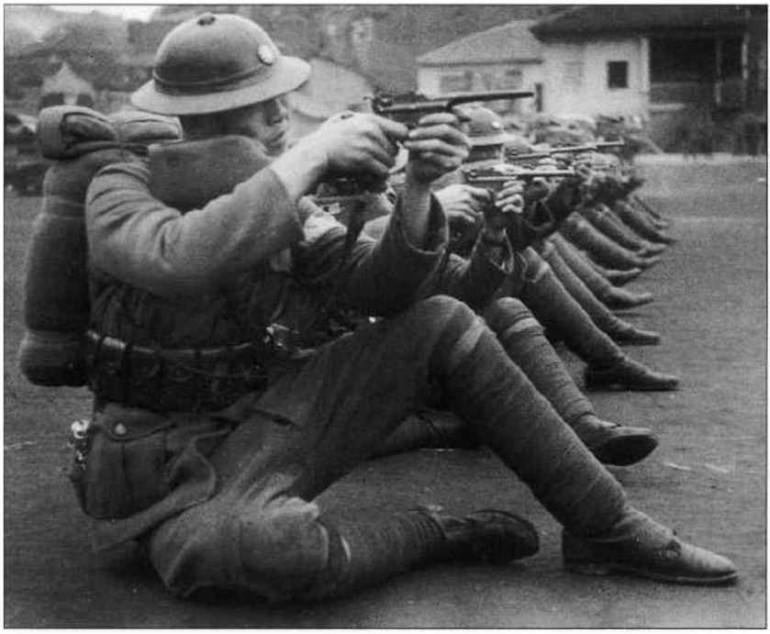
While Chiang’s Nationalist government focused on conventional warfare, the Chinese Communist Party, led by Mao Zedong, adapted guerrilla tactics to wage war against the Japanese in the countryside. The CCP, with its strong base of support in rural areas, became an increasingly important player in the war. Mao’s forces engaged in partisan warfare, harassing Japanese supply lines and launching ambushes in remote regions. This strategy helped to tie down large numbers of Japanese troops, preventing them from consolidating their control over large areas.
In addition to their military activities, the Communists also focused on winning the hearts and minds of the Chinese population, gaining significant support among peasants who were disillusioned with the Nationalist government’s corruption and inefficiency. By the end of the war, the CCP’s influence had grown substantially, and Mao’s forces were better positioned to take control of China after the Japanese surrender.
China and the Allies
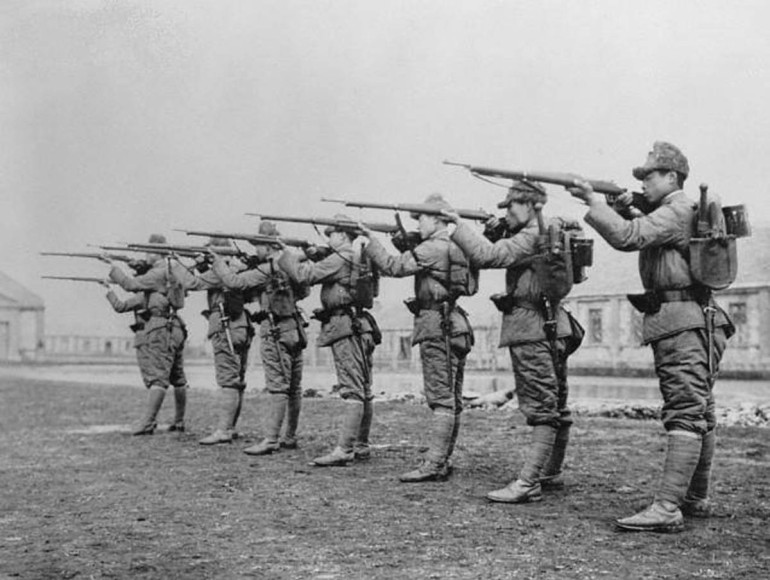
Although China was a key member of the Allied Powers, it often found itself sidelined in discussions between the major powers, particularly the United States, the Soviet Union, and the United Kingdom. However, China received significant material and financial aid, particularly from the U.S., which provided weapons, supplies, and financial support through the Lend-Lease Act.
The American contribution to China’s war effort was crucial, with the Flying Tigers, a group of volunteer American pilots, providing air support and defending China’s skies from Japanese bombing raids. U.S. General Joseph Stilwell was also assigned to assist the Nationalist forces, though his relationship with Chiang Kai-shek was often strained due to political and military differences.
Despite these efforts, China was largely isolated from direct Allied military strategies in Europe and the Pacific. Nevertheless, the sheer scale of China’s struggle against Japan was pivotal in the overall war effort. By tying down a significant portion of the Japanese military, China effectively reduced Japan’s ability to fight elsewhere in the Pacific.