































Facing Up To Wargaming The Troubles
August 22, 2022 by warzan

23rd May 1993. I was out with two best friends just roaming around town. Something not unusual for someone aged seventeen. It wasn't unheard of for us to nip into the local bar for a pint but it was a Sunday and we were broke so that wasn’t on the cards. So, we "headed off" for a "dander" out of town. About one hour later, Magherafelt town centre was devastated by a 500lb bomb planted by the IRA.
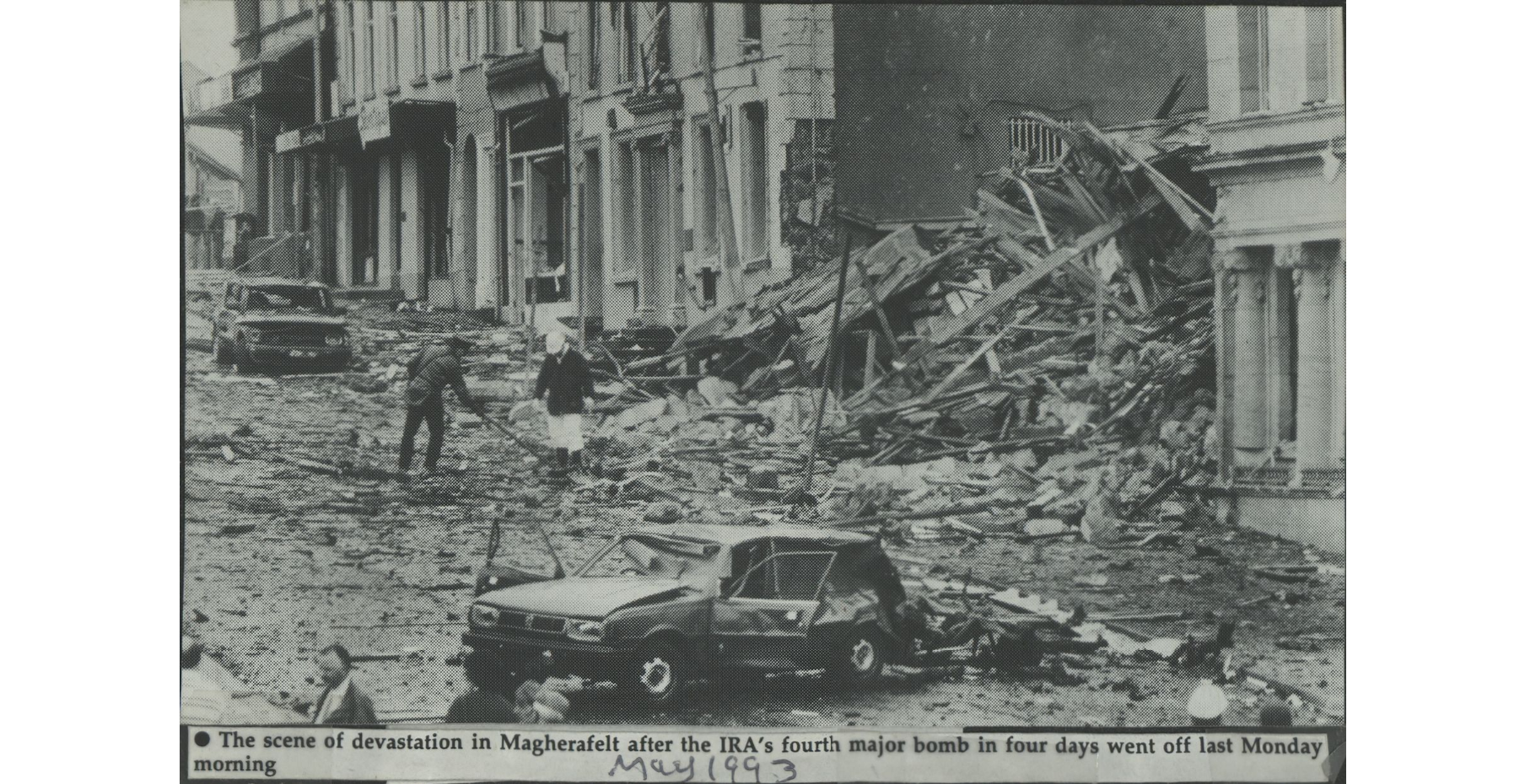
Aftermath Of The Magherafelt Bombing
Our family home was not that far away and the rest of my family was at home having a takeaway when the house rocked back and forth the blast really was that violent. Apparently, my wee mum screamed my name - something we joke about with her to this day, that she actually loves me after all!
This was a time before mobile phones and all that connects us today so I remember running home as fast as I could, praying my Dad hadn’t been caught up in it. I have absolutely no recollection of the events after that. It could be a little bit of trauma, a fading of the memory or maybe it was just another moment in the long line of events we had seen happen during our young lives (many not really ideal for sharing here) that numbed so many of us to the realities of what we were living in.
Violence, suspicion, killings, bombings, alerts on the telly asking for key holders to return, checkpoints, army patrols, checking under the wheel arches of your cars before climbing in, being warned from a young age to never pick up something suspicious, steering clear of the neighbourhoods where the other sort live, showing no fear to any of your friends as we all had to be "hard men" - yeah looking back at it now it seems like such a strange existence, but believe me when I tell you it can and does feel entirely normal at the time.
After twenty years of relative peace in Northern Ireland sometimes it’s easy to forget just how deeply it has affected everyone that lives here (and they often don’t realise it). So, I guess with this I’m trying to paint a bit of a background to the experience of a young person growing up in Northern Ireland at that time. I certainly can't and won't speak for everyone but that's my best stab at it in a couple of paragraphs!
As "wars" go it's worth remembering the unique framework this one falls into. This is taking place within communities of neighbours. On the surface, they will "pass each other" and heck even be "friends" but, if we are being truly honest, behind closed doors there was no shortage of support for "your side". This was a conflict that was complicated through ignorance and it was a quagmire of 16th-Century history, empires, politics, equality and a healthy dollop of religion thrown into the mix. Here we had two sides that to someone from the outside have so few differences between them you wouldn't believe they had anything to fight about!
Also, make no mistake, it's still here in this little country to this very day. Whether it's slowly disappearing or just festering under the surface however is open for debate. It's very telling that even after twenty years the ugly side of things rears its head far too often.
Fast forward to a 2010 drink in England's Oldest Pub Ye Old Trip to Jerusalem with a bunch of wonderful industry folk and the topic came around to historical miniatures. I asked about the creation of miniatures based on the troubles. The responses from those around the table were varied, considered and very thought-provoking and the sentiments have stayed with me since then.
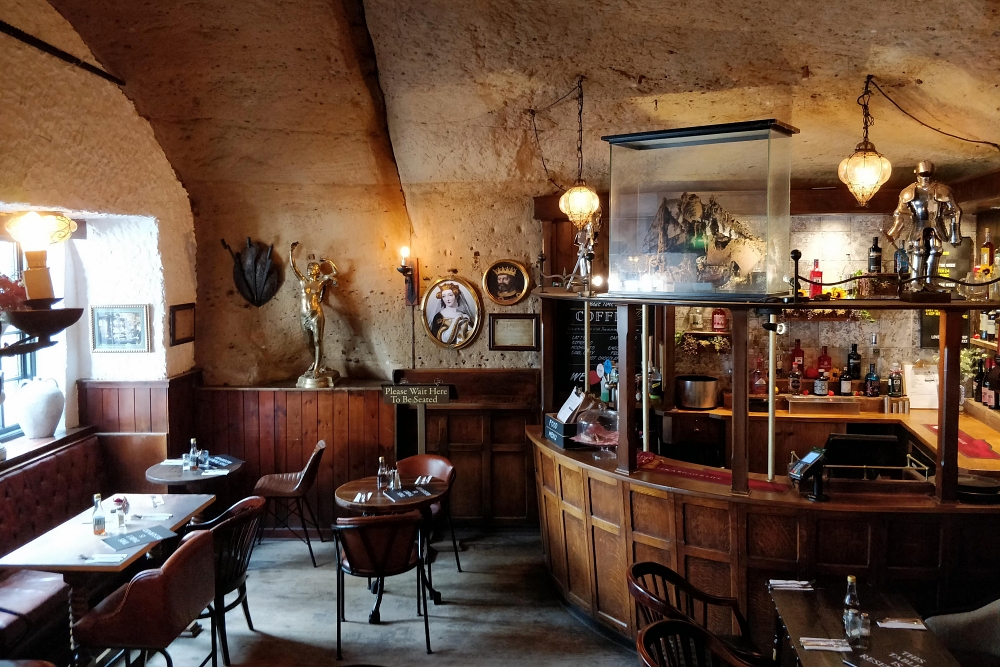
Ye Old Trip To Jerusalem
I have endeavoured to maintain a very open mind in my time in this industry and I am a big believer in supporting the creative freedom of artists to create things. I’m very happy for folk to vote with their wallet when it comes to what does and doesn't appeal to them. I believe we can deal with issues in a sensible and sensitive way through dialogue and I’m not into seeing things 'cancelled' without some sincere and extensive thought and dialogue.
I think to truly engage in the fullness of this hobby you need to develop an open mind and an understanding that not everything is going to be "your cup of tea" and ultimately, it’s not all about you! We have to discern what we choose to enjoy from this banquet that sits before us. As someone who took this industry on as an occupation, I try to hold myself rigidly to those principles far more than I would expect of anyone else.
So when my time came to face a topic that is deeply personal to me and many of the people I know, I decided to take a deep breath and put my money where my mouth is.
Tiny Terrain Models' New Miniatures
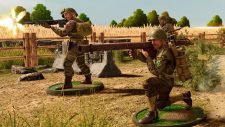
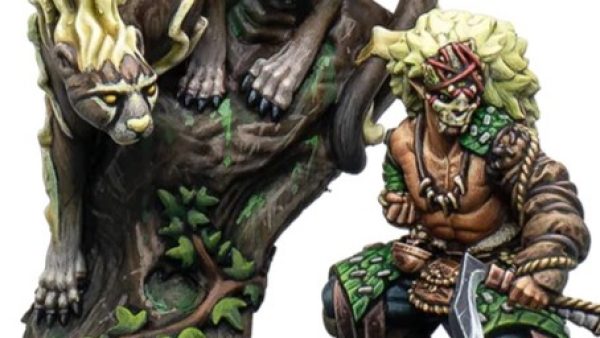
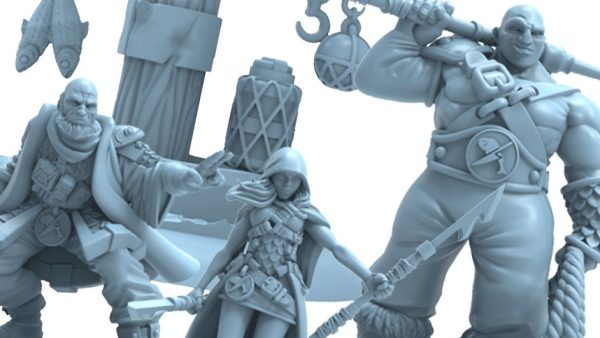
Recently, Tiny Terrain Models posted some work-in-progress shots of a set of models they are working on covering RUC and IRA Volunteers. So started a process of looking at these models from both a personal and a professional perspective.
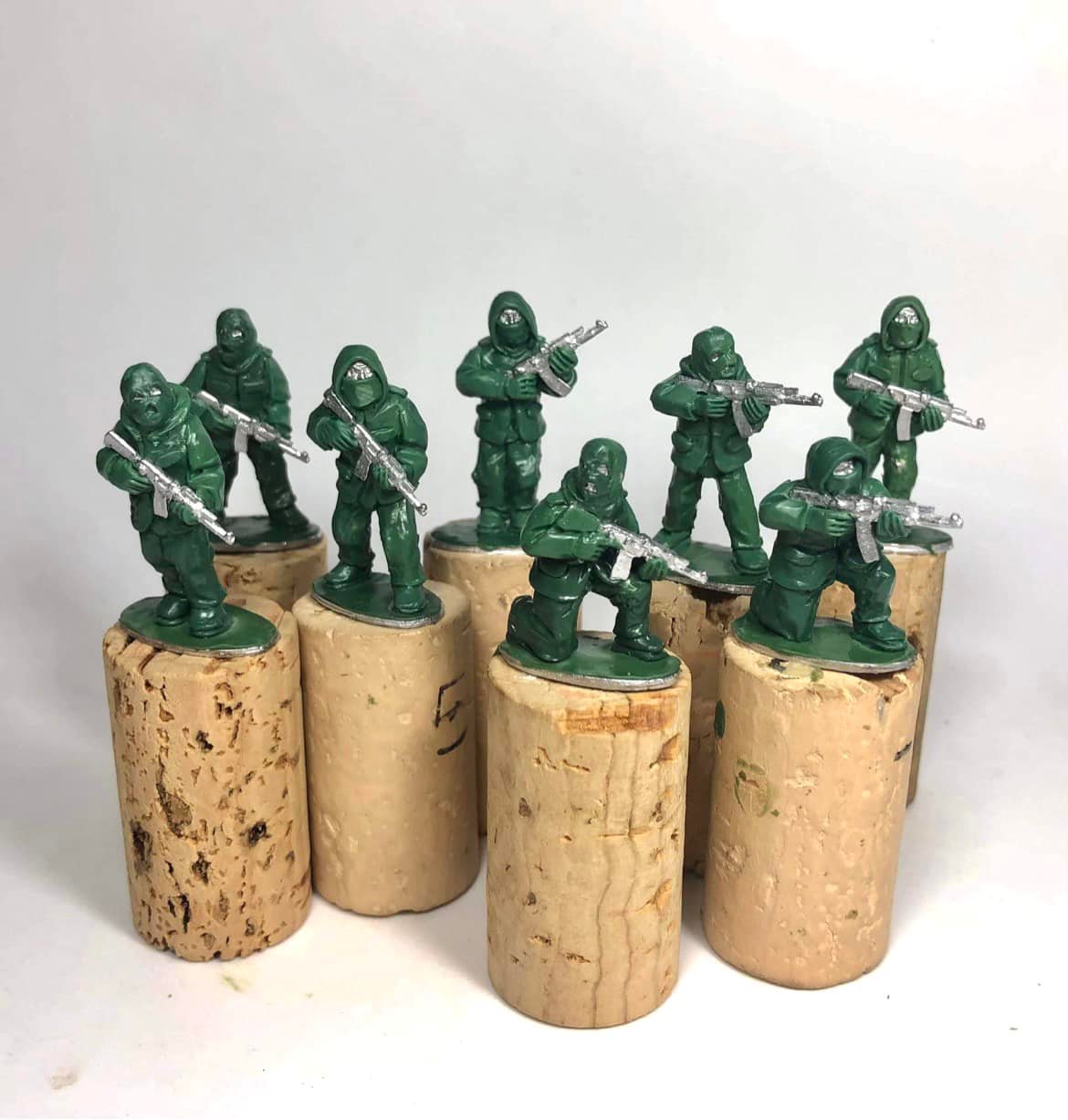
The first thing that struck me was I was looking at miniatures I could put names to. Not names of those you would see or hear on the news, but names of people from within my community (both sides). Anonymous people in the grand scheme of things, but real people that I know or knew.
That was an interesting situation and one I can imagine is something many of our community who serve/served in recent conflicts perhaps feel with many of the Moderns ranges that exist today.
Is There A Wargame In This?
Next up I thought where is the game in this? This is a very technical exercise and is not a rhetorical question. I am genuinely looking to see where the wargame exists and what can be simulated or played out using these miniatures either for fun or learning or often (and more preferably in my tastes) both.
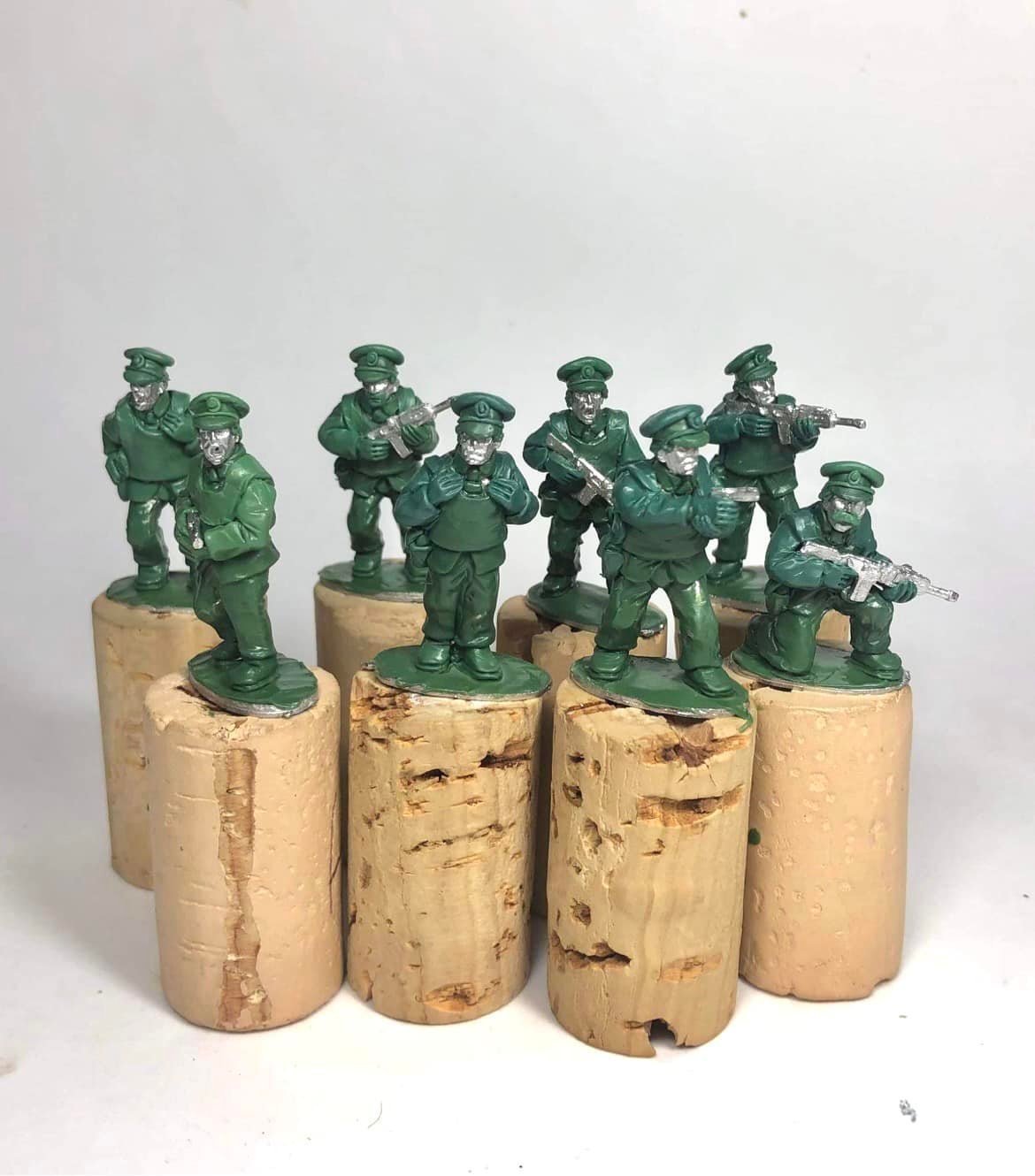
The Troubles is quite unique in this area as it does not follow any of the usual conventions that typically would be found in a wargame. Straight-up engagements between factions almost never occurred, I can think of perhaps half a dozen in total, but even those were ambush-style affairs where one side was oblivious to what they were getting into. In our gaming language that would be asymmetric to the point of being almost meaningless to try and play out.
The majority of this particular "war" was played out in the shadows. In back streets where both sides were equally responsible for planting explosive devices and murdering civilians. Other than that, what did we have - checkpoints operated by both sides, patrols coming under attack from snipers, racketeering and punishment shootings?
There are some possibilities such as the attack on Derryard Checkpoint which might lend itself to a more traditional tabletop wargame experience. But, the list is pretty short for anyone looking to play out any meaningful recreations.
In that case, we don’t really have a great framework for an engaging tabletop miniatures game unless you go down the route of introducing some imaginary engagements. This is a perfectly acceptable route to take but lacks the often highly rewarding component of gaining a deeper understanding of a conflict and its history. You could play various scenarios of a more traditional engagement - but ultimately it won't be Northern Ireland.
Can Something Meaningful Be Done To Simulate The Period In A Game?
Yes, I think it can. However, at the point of writing this, I don't think this could be an exclusively miniatures-based game. The ‘Troubles’ requires a much broader view in my opinion to more accurately represent it.
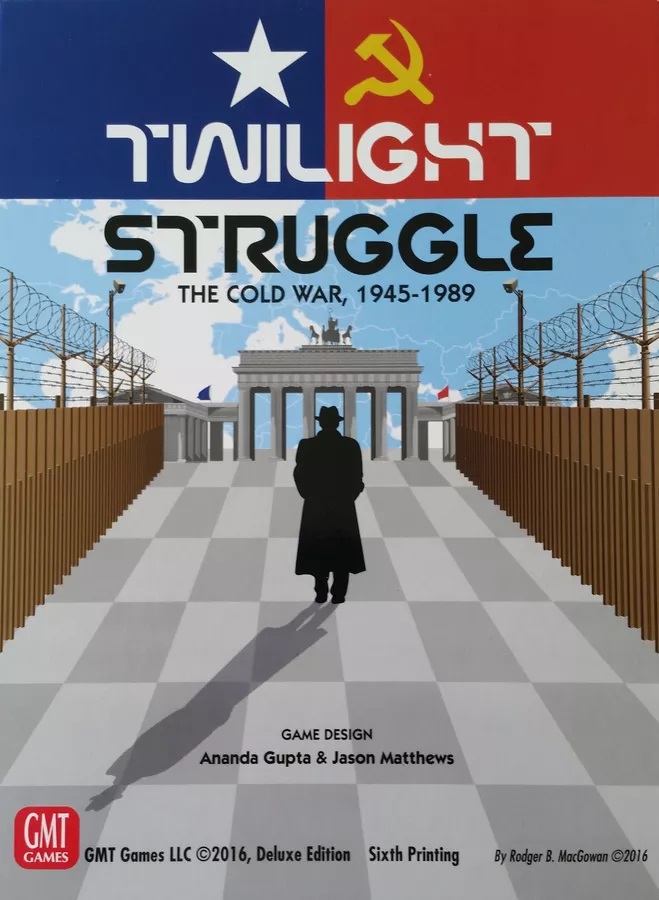
A game framework more akin to Ananda Gupta's extraordinary Twilight Struggle comes to mind, where the other significant areas of the conflict such as Espionage & Intelligence, Backroom Political Talks, Swings in Public Opinion, and Key defining moments (Hunger Strikes, Protests, High profile killings) all come to bear to move the pendulum back and forth between both sides as they struggle for enough ground to make a negotiated settlement possible. It's worth noting this was a war that could never really be won in conventional terms; the only outcome ever possible was to build enough clout to make negotiations worth entering into.
That may well be a game worth making and if any of you do - please consider giving a copy for free to every single school in our country. Maybe it would help them understand what was truly taking place over here.
I’m looking forward to seeing what parts of our community do with the new models coming from Tiny Terrain Models. There is a lot of ingenuity within this industry and it will be interesting to see what plays out. Who knows, perhaps at a future Salute or Historicon we may well see some tabletop action set on the streets of Belfast or a remote Fermanagh Village or Back road. I for sure will take a seat and have a good chin wag with whoever makes it to get their thoughts and share some stories. And yes, I will even roll some dice and see what happens.
Over to you folks in our fine community. Feel free to drop your questions and or comments below.
"So when my time came to face a topic that is deeply personal to me and many people I know, I decided to take a deep breath and put my money where my mouth is..."
Supported by (Turn Off)

Supported by (Turn Off)
"Can Something Meaningful Be Done?"
Supported by (Turn Off)


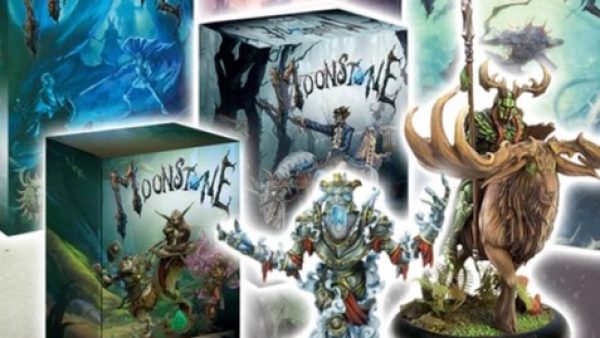
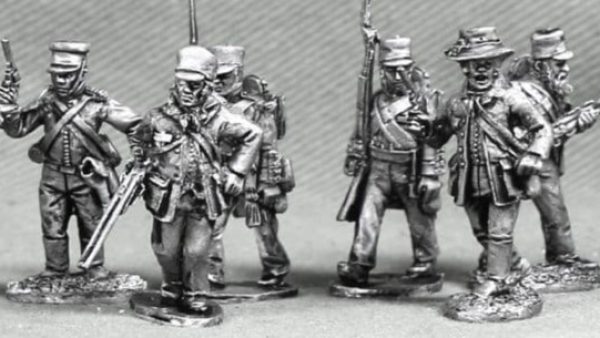


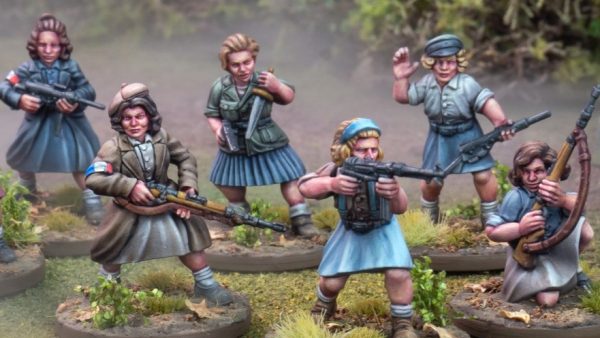


OK then. Well here is a subject and half
My first instinct is that I couldn’t play that it’s far too close to the bone but that is also somewhat hypocritical of me as I’ve played other modern urban games set in other countries and I haven’t given an thought to the innocents who lost their lives in those parts of the world.
For what ever your views on the subject I do find it hard to work out where the game is as it was/is never a conflict in the traditional sense
Do we set up an urban terrain table and one player phones the other and then they have 40 minutes to move all their figures off the table?
As someone said on Discord maybe the figures would be better used in a modern day Very British Civil War
My dad served in Northern Ireland in 1969 (Royal Marines), the locals liked them a lot more than they did the outgoing Paras apparently! I also did my time filling sandbags and putting blast tape on windows whilst working in the Civil Service (MOD) in the 1990’s with the resurgence of the Real IRA. At that time my wargaming buddies and I looked at the troubles as a potential ‘ new/alternative period’ the game being in the ‘riots’ rather than the asymmetric warfare aspect. We looked at the Riot! Rules from Irregular Miniatures which can still be purchased today and have a supporting range of ‘old school’ miniatures in 6mm and 15mm. The thought of easily modelling Northern Irish streets using Ho Gauge model railway scenery ( brick terrace houses ) and also modelling the large variety of vehicles used ; Land Rover Tangi in RUC and British army service , Humber Pigs, Flying Pigs , Ferret Scout Cars, Saladin and Saracen Armoured Cars, Saxon APCs, Green Goddess’s with water cannon, clear riot shields for infantry etc all had its appeal to a group of rivet counting Grognards , however , as with all near history wargames like the Falkland war , the First and Second Gulf Wars and Afghanistan , there is always the ‘too soon’ aspect to consider and at the time we all agreed that perhaps it was still too soon.
Have a look at the Irregular Miniatures rules if you get a chance , they’re still relevant, simple and produce a good ‘game’ for riots covering a multiple of periods, from Roman times to the Modern day.
15mm Riot (irregularminiatures.co.uk)
I think I will be using the figures for a modern version of a Very British Civil War or Winter of 79. As a period I think it is difficult for some to understand while others just see it as another period. What I mean is if you take away The Troubles then there can be very useful for a number of modern settings.
Personally I would never actually play the Troubles as I have seen both sides, the effects it has on very young soldiers, the shit that even now if still there, and I am stopping there.
But change that setting to the Winter of 79, the Miners Strike and the very good chance of a Very Civil Unrest then and all changes, for me at least
great looking figures of a terrible chaotic time.
I don’t think I’d enjoy gaming the Troubles. I’m English but have a few connections to it. A lad from my school was killed serving over there, knowing Irish folk who have lived through it (including one lass who’s lived over here maybe 25 years but hated living near a hospital as the sound of helicopters brought back such unpleasant memories).
Let’s not lose sight that all warfare is horrific but I think when I know people my age who’ve been affected, that’s a step too far for me.
Thank you for writing this Warren. Having friends who have lost limbs in Afghanistan, or who are unable to function due to PTSD it’s close to me as well. Yet I’m close to a chap who lost his legs serving in the Falklands who is an avid wargamer and doesn’t shy away from that era.
The guerrilla style combat may not suit a wargame, but perhaps as a role playing game? I think it depends what you want to get out of it. Certainly we (the population generally) would benefit from being taught about it dispassionately but, as you mention perhaps there’s demographics who are not ready for that.
I’d rant about the importance of education to present both sides equally and specifically *to* upset people in providing the truth, but that’s a whole different story.
Anyway – thank you.
Interesting . In the UK and if you are of a certain age “The Troubles” are such an emotive subject that it feels wrong to play a game based on it. Then again we happily play Vietnam or Arab \ Israeli or even Afghanistan. I’ll hide behind the justification that , moral or not, there isn’t a miniatures game here.
Can I say *yikes* ?
Talk about a completely different style of life …
I can’t even begin to imagine what it was like to live there, never mind the fear you must have experienced.
Maybe the fact that there was no internet back then made it difficult to hear anything about the events in the UK/Ireland at that time.
I sort of remember that people had to check their cars for explosives and images of British soldiers on patrol, but that were news items that had zero impact on how we lived our lives. There’s also U2’s “Sunday bloody sunday” … I know it’s linked to ‘the Troubles’, but to me it’s just another boring hit from that era as I was too obsessed with studying to worry about music or the lyrics.
All of this despite the fact that my dad was in the army from late 60’s (I think). All I remember is my dad having to on training with the boys (he was sergeant at that time so I suspect it was his assigned squad) he was teaching and returning home with some of the food they’d had to eat as they practiced digging trenches and basic survival. (to this day I don’t know what they actually did and now I can’t ask him …)
Even in the early 2000’s all I remember is a co-worker going on holiday to northern Ireland and talking about how they were going to tell people they were Catholic so as not to offend anyone.
Flash forward to my first bootcamp and visit to BoW HQ … and it was as if nothing had happened.
I doubt such deep wounds are going to heal without leaving scars, which may be invisible to ignorant outsiders like me.
Heck … I probably had more than a few songs on my phone that in hind sight would have best left home as it were.
I do agree that this is more likely to be either an abstract boardgame or a rpg with themes that can mirror the cold war era games.
Sunday bloody Sunday is about the British army shooting at a civil rights protest. But yes it’s a shite song. That’s Boner for you
yeah he really is a pretentious prick (and what twat calls himself ‘the edge’ anyway?).
The Southpark episode that explains Boners’ origin as a huge turd is a documentary 😉
A thought-provoking post. In an industry which tolerates the production of models of the SS, it is hard to argue for anything else being too over the top in principle, however, I can easily imagine individuals finding them difficult to handle as they trigger bad memories – or even PTSD. However I imagine 28mm toy soldiers may be less troublesome in this regard than films or tv programmes, so I would say if the film industry is permitted to release “Belfast”, a few toy soldiers would likely be far less problematic.
It’s all in the treatment of them of course. If hypothetically they were marketed in some jingoistic way which favoured one side or trivialised or mocked the reality of the Troubles, then there would be problems. I imagine that would be unlikely though – as wargames companies tend to be very sensible in that regard – again, if Warlord Games can manage to find a rational way to market SS models, then it can be done for anything, or so I could imagine. Khmer Rouge? NKVD? Modern Ukraine-invading Russians?
And I have utmost sympathy with those who would find them too challenging to join in with because they felt put off by having their imaginations dragged back into those times.
My own experience of the Troubles and conflicts in NI is limited. I’m English but had a great-grandfather from the 6 counties, who emigrated to the North East of England for what could euphemistically be called “political reasons” (or so family legend has it). Still, I never knew him, and my only personal experience was happening to be in London when the Hyde Park bomb went off. I also visited the Province for a week or so in the mid-90s (pre-Good Friday Agreement) and witnessed the passions on display in marching season, which was an eye-opener. Seeing how much both sides really cared about their side of the issues amazed me, as up until then I hadn’t really witnessed “passion” – to the extent people would be prepared to kill or die for their side of things – first-hand. At the sight of that, my admiration for the Good Friday Agreement, imperfect as it is, and those that made *anything* come out of it, later on, was high! The idea of any negotiated peace agreement seemed to me at the time to be impossible in that melange of passionate hatred.
As with others, seeing where the game is to be found in the Troubles is a challenge for me. I’m interested to find out at an intellectual level where this goes. As a miniatures collection, I can’t say it draws me. It hits that spot where I am disassociated enough from it not to have any personal draw to the period, but just enough involvement as to find the subject uncomfortable and therefore not something I’d be drawn to with my hobby gaming time.
Good call for a discussion though @warzan.
The issue for me is not the marketing. Warlord and others can sell SS for a simple reason. They fought in a war. You can find troop rosters and lists of actions they participated in.
The Troubles (two) was not the same. Simply your opponent deploys his forces and then you detonate your nombs that you deployed yesterday. There is no conflict in it. Its not even asymmetric, It just doesn’t exist.
Fantastic article and a fascinating read.
I think you hit the nail on the head with it being a very hard thing to cover in a traditional wargame as it wasn’t one in the conventional means, or even the usual gorilla sense you might see in an asymmetric game such as Vietnam or other modern conflicts.
The first thing that springs to mind that uses the miniatures is the likes of the zombie survival games where you see a few characters have to move around a table to accomplish a mission while others and the environment are out to get them, the likes you often see at shows as something for people to get involved in, I’m sure you covered one at salute a few years back where you have to survive moving around a model show.
I suspect something like that (without the zombies of course) conveys the differing and complex relationships between all involved parties, getting across that tension, acts of subterfuge and people just wanting to get on with life would be something that could act as a great tool for telling the stories just like your own.
Really interesting post @warzan .
I have very little personal connection to the Troubles – though I do remember the Good Friday Agreement. I have some distant family connections, but really all from people who died before I was born or before I was old enough to talk to them about it. In fact, probably my main connection comes from being a Beasts of War member. Just ‘knowing’ people there has made me pay more attention to news from Northern Ireland.
The thing that struck me personally about your article was the similarities to how I feel about gaming the war in Syria. I lived there a while and have friends who escaped from the country, some I’ve lost touch with and some who have lost many family members.
There were many more conventional battles – certainly enough that could be war-gamed in a way that we’re all used to seeing, and not all of them involved the deliberate and systematic targeting of civilians, but the thought of playing a game makes me ill.
I agree with @osbad that if we can game with the SS then basically anything is ‘fair game’, but I personally wouldn’t want to take part. And while I wouldn’t want to prevent anyone else from having fun / learning the history, I think I would feel upset if gaming the Syrian war became more than a small niche.
I’m reminded of the debate that followed @oriskany ‘s articles about gaming the war in Ukraine in 2014 (which seem all the more relevant now). I’ve often thought back to them when similar discussions have taken place. I think for me, while I’m fine with historical wars being gamed, where I ‘draw the line’ is where I feel even gaming the war is, in a very small sense, participating in it. Getting the Franco Prussian war wrong – either just getting the history wrong or treating it insensitively – is pretty unlikely to have any real consequences in the world today. World War II is still the subject of historical research, but apart from some relatively small fringe groups, no one’s understanding of the Nazis is going to be impaired by anyone wargaming it ‘wrong’.
The Troubles still resonate today. The political conflicts are not ancient history – they have an impact on real decisions being made by real politicians and real individuals in their day to day lives. Wargaming the period has the potential to inflame things even if handled sensitively, let alone if handled badly. (Not to the point that it’s likely to start a new war, but in a small way, it could have an impact.) I feel the same about Syria. I guess if done ‘right’, it wouldn’t be so bad… But doing it badly has the potential to play into propaganda and disinformation that is still relevant to the shaping of public opinion on the treatment of refugees, policies towards participants in the war, etc.
If wargaming is removed from the conflict it’s recreating, it’s fine. My issues are about whether gaming a conflict that is in some sense still ongoing could, even if only in a small way, influence that conflict.
@warzan Thank you for posting this, and your thoughtful piece on “playing” theatres that are either too close (in time) or too personal to play.
As the Owner of Tiny Terrain Models I have to say that I welcome such discussion, and in fact having previously released Modern Russians and Chechen’s for the Chechen Wars, and Modern US Border Patrol and Mexican Drug Cartel soldiers, we are always aware that it’s a fine line between giving some people what they ask for and running the risk of offending some of the war gaming community. In this case, I have to say it was a combination of us being asked for figures that could be used for NI (as well as other similar theatres and “what ifs”) and the fact that the sculpts by the very talented Adam Frank became available, and I simply could not resist them.
As far as game play is concerned I have written and extensively tested a rule set called “Mother Russia” which was written for playing the Chechen Wars. As you would expect this was focussed on asymmetric warfare in modern urban setting, and I am now using these core mechanics to write a specific Northern Ireland rule set which has many more RPG elements to it to make it a more playable gaming experience, for all the reasons you list above. There will be both open and hidden missions and agendas for both sides, doctrine that must be followed by the British Army and RUC, as well as more shadowy operators (such as 14 Int Coy), which will operate with much fewer restrictions.
Having said all of that, if NI is not a particular gamers cup of tea, I totally understand and they can use the figures for any theatre, or period, as they see fit and are comfortable with 🙂 We are not the wargames police, and everyone should use them however they want to. We just get the minis commissioned and sell them 😉
As an aside, I would love to hear in private from any individuals who were directly involved in serving in NI (on any side of with any political view point) as we want to be thoughtful and respectful with our rules. You can contact me via messenger on our FB page: Tiny Terrain Models
Thanks again for your interest and starting the conversation,
Craig
Tiny Terrain Models
Interesting. In 2016 we did a wargame based on the Easter Rising to mark the 100 anniversary and it was a way to get my Irish wife into wargames who usually pays it no attention. My English friends felt a bit uncomfortable when she read out the proclamation before the game started but it turned out to be an educational experience. Thats something I try and take from historical gaming with folk who dont usually play wargames. I cant imagine how awkward people might feel recreating games in the troubles.
I suppose like a lot of folks my first reaction was a bit “yikes” but actually I’ve gamed more recent conflicts in Afghanistan with “Skirmish Sangin” rules so it comes down to a few of things for me;
1) Would it make an interesting game… and I think it would offer some very interesting challenges in a civilian urban environment. (see point 3)
2) Are there appropriate miniatures? Well the ones shown look excellent so that’s a big plus for me.
3) Environment… this would be the sticking point for me… creating the streets of Belfast (or wherever) would be simply beyond my current buildings or my wallet.
I make a wargame called Threat Level: Emergency Response, but it’s more current. Personally, I wouldn’t touch the troubles as an Englishman. I love the article.
I wouldn’t be opposed to wargaming any era or setting, but as someone who wasn’t close to (and is largely ignorant of) the “Troubles” I would be doing a heck of a lot of homework before I did, so that I could explore it with the due level of respect and treating it as a learning experience. That said, a game is a huge motivator for me to read and to learn about the background (whether historical or fictional actually!) so it could serve as a powerful educational tool and therefore be really valuable. I personally find that exploring a new setting from the perspective of a game with rules and miniatures is how I discover new things and educate myself these days!
This is pretty much why historicals can be such a great gateway drug into actual history.
I’ve learned more from the background material in games than I ever did from actual boring history lessons at school.
Same experience has been had by me. Pike and shotte has been my entry point into a history I now find fascinating.
I wonder if a game similar to “This war of mine” could work for this …
It’s about the fate of ordinary people in a warzone. Some of the texts in that game are from all sorts of conflicts (from WW2 to modern), so I wouldn’t be surprised if any of them were related to ‘the Troubles’ in some form.
Well it’s not the first time minis for the troubles have been released.
The earlier period was commissioned by a US gamer (I think his user tag was “Irish Marine” or something like that, I’m probably wrong) and was for the era 1930s (approx), and had a range or IRA, Black and Tans, RIC etc.
I think the range is available from Footsore these days (although the minis did help birth the whole British Civil War game as there were non others available at the time)
Edit found them here https://footsoreminiatures.co.uk/collections/irish-war-of-independence
But trying to game the more modern aspect of the troubles I just don’t think is doable as a miniatures game (for the reasons Warzan pointed out originally). I’m not sure on the history of how things were in the 1930s in Northern Ireland (nor on the armed conflicts that happened in Southern Ireland between the different factions when Ireland finally did get it’s independence)
There definitely seems a part of me that deeply rejects the idea. It’s difficult to logically pin down what it is so it must be emotional ties.
We all enjoy napoleonics and historical’s and there is no shortage of human tragedy there, but it’s long enough ago or far enough removed culturally to be enough in the abstract and low resolution to have the human tragedy removed from the equation.
WW2 must have been too hard for some people to play when airfix brought out battle rules.
My family have been trashed from psychological results of the troubles (father and uncles served during 80’s 90’s). So I can’t play. But I can happily play modern war in afghan.
I’m forced to conclude that there is a game to be had in any conflict. If the players are psychologically removed enough they will be fine.
Does beg the question where should wargaming draw a line, as there seems to be one for me. Proximity to the troubles is a factor.
Butchery is also a step too far, would anyone in their right minds play ‘Jewish escape from the camp?’
Or ‘can the games civilians stop your terrorist mini from taking over the plane?’
Examples like the above come to my mind as being playable but stomach churning.
So where is the line? I’m sure we all played cowboys and Indians as children?
Would we play Irish/Australian imigrant police putting down Aboriginal insurrection?
Warren, you’ve raised something that actually is very important now you’ve got me thinking about it. There is a line too far. But where is it and why?
On further thought it is the word ‘game’ and the word ‘play’ that may be misleading me.
If I was to say ‘in order for us to deepen our understanding of the dynamics of this situation let’s run a tabletop simulation akin to re-enactment or taking on a role to investigate this further.’
Suddenly all topics no matter how abhorrent are on the table due to the subject matter being given this seriousness. No Fun is being had, more like intellectual and moral satisfaction through deepening understanding. So when is it permissible to be ‘fun’ and when should it be ‘serious’?
My father, grandads and all my uncles served in the army. I grow up with the tales they told me. I loved to learn about history, the personal stories of the troops. How brave men were in the face of great odds. Reading the commando book as a kid and watching countless war films.
It followed me into the hobby but in an abstract form. We setup the troops and play out the games but in my heart I know there is another side of war. See the tales I was told where not just the aspects of war one side shooting the other. It was the true horror one man can inflict on another.
I will save you the details but 3 of my uncles where captured by the Japanese and spent many years in a prision camp. The heroic tales they told of the escapes they made are the easy bit to listen to. What the japanese did them in the camp and what they had to do to stay alive are very difficult to even think about. It is not all one sided they also had to kill the Japanese in one case in pretty brutal hand to hand combat.
My father served in more recent times not in NI. Men from his regiment where posted in NI not all them made it back. Some of the stories are every much as brutal as the Japanese camps. I am under no doubt the stories on all sides are equally horrific.
Toptable gaming is an abstracted version of war. It is the commando books version, no human suffering. If we tried to capture the reality of war it would not be a game. It is a personal choice if you can make the game abstract, detatch yourself from the reality of it. That is more difficult if you have a person connection to it or you grow up with it.
Even the team Yankee flames of war tanks I feel uneasy with knowing they are being used now in Ukraine to fight a war. They are just models but it just does not feel right at the moment. Neither would playing anything from the troubles I cannot abstract myself from the reality to get any fun from a game.
I am also aware that might not always be the case. The passing of time changes us, makes the detachment possible.
Two reasons why this is unlikely to be a gaming opportunity for me.
1. Was brought up on the peace line in West Belfast, so not something I would seek to play out on tbe tabletop.
2. As Warzan has said there were very few actual firefights during the Troubles, primarily bombings, assassinations, ambushes with minimal response from those ambushed. So not really many scenarios for gaming on tbe tabletop.
I would not have a problem painting or collecting such figures but neither see the gaming opportunity nor have a desire to game what was really just a terrorist campaign.
Warzan mentioned Twilight Struggle in his post, it looks like Compass games will be releasing a board game which in concept is very similar in style to TS and covers the COIN struggle in Northern Ireland over 34 years. You can find more information and pictures on the link below.
https://thetroublesuk.wordpress.com/
BOARDGAME NEWS
The Troubles – Shadow War in Northern Ireland 1964-1998
Date: February 6, 2021
Author: The Boardgames Chronicle
11 Comments
UPDATE: The game is now available for pre-order here: https://www.compassgames.com/product/the-troubles-shadow-war-in-northern-ireland-pay-later/. Enjoy!
During one of my boardgames discussion on social medias I had a pleasure to meet Hugh O’Donnell – and pretty quickly I learned Hugh is designing a very interesting game – The Troubles, about 40 years conflict in Norther Ireland. I knew I need to learn more – and if possible, assist in spreading the world.
Before going into the game details, couple of sentences of personal note from me. Unlike most wargames / political games I am playing this will be one telling the tale of conflict which I can clearly remember. In my childhood I saw on TV many times the news form Ireland / UK about things happening in Ulster, about IRA raids and British forces reprisals. This is very very vivid in my mind and I will never forget the child feeling that such horrible things can happen so close to us.
In 2000’s I had opportunity to be in Norther Ireland and to my surprise the memories and evidence of the just finished struggle were visible everywhere. A chill was going down my spine when I was walking through the now open gates separating the catholic and protestant districts and watching all the murals (some of them above). Well, that definitely was a an experience to remember. But let us be honest – also a perfect material for great boardgame.
Enough of this personal note, let us focus now more on the Hugh’s design!
The Game
Advertisements
REPORT THIS ADPRIVACY
The Troubles is a 1- to 6-player board game depicting Paramilitary and Security Force conflict against the backdrop of political affairs in Northern Ireland. Each player takes the role of a Faction seeking to guide Northern Irish affairs:
the British Forces (including the UDR) – BF
the Royal Ulster Constabulary (Government security force) – RUC
the Provisional Irish Republican Army – IRA
the Loyalist Paramilitaries – LOY
the Nationalist Politicians – NAT
the Unionist Politicians – UNI
UNI faction
BF faction
RUC faction
IRA faction
IRAb faction
LOY faction
NAT faction
UNI faction
BF faction
BF faction
Using military, political, and economic actions and exploiting various events, players build and manoeuvre forces to influence or control the electorate, or otherwise achieve their Faction’s aims. A deck of 250+ Event Cards regulates turn order, events, victory checks, and other processes. More important, it provides a narrative of a conflict that lasted for four decades, which claimed the lives of over 3,000 human beings during the British Army’s longest deployment in its military history.
Game map
Advertisements
REPORT THIS ADPRIVACY
The Troubles – unlike many card-assisted war games – does not use hands of cards. Instead, cards are played from the deck one at time, with one card ahead revealed to all players. Each Event card depicts a historical event and shows the order in which the Factions become Eligible to choose between the card’s Event or one of a menu of Operations and Special Activities. Executing an Event or Operation carries the penalty of rendering that Faction Ineligible to do so on the next card. General Election cards mixed in with the Event Cards provide periodic opportunities for instant wins and for activities such as collecting resources and influencing popular sympathies.
Separate to the main Event Card deck, Arms Dump Random Event Cards (REC) are designed to mimic the sporadic and surprising nature of incidents involving the paramilitaries in Northern Ireland in addition to providing opportunities for the Security Forces to mitigate events that demonstrated their intelligence and reconnaissance efforts.
You can find more info about the game on Authors webpage.
Next Steps
So what next? In March 2021 The Troubles will hit Kickstarter under the Compass Games publisher logo. I really hope the campaign will go smoothly and the game will be published. You may count on more materials form me in the meantime!
The whole “too soon” thing is a source of amusement and bewilderment for me (as it to pertains people who were not DIRECTLY involved). In the 1970’s, when I started out, WW2 had been over for less time than the Troubles have (officially) now. Very few suggested that turning it into a “game” was in some way disrespectful or uncouth. Most veterans (not all, by any means) would have politely declined to participate. But some were the literal bedrock on which the hobby was formed…and THAT in the 1960’s when the war had been over for less than 20 years. Donald Featherstone, for instance, was in the Royal Armoured Corps in ww2. Charles Grant was in the RAF. Some of the guys I learned from were Vietnam Vets.
War of all kinds is a nasty, brutal, destructive curse on mankind and has been since Grong first belted Ungh over the head with a stick and took his cave and wife. So is it really any less “wrong” to game that rather than Afghanistan…or the Ukraine for that matter. Someone died, someone’s life changed forever, someone was more right, someone more wrong. Should someone who objects to that and is offended by the very thought of such brutalities even be wargaming in the first place? Even if they are playing Martians against Venutians? Or even Orks against Elves? (and remember that Tolkien was based very much upon THIS world!)
I had extended family on both sides during The Troubles but I wasn’t directly involved (and safe in Oz, where I was born)But I grew up and spent nearly half my adult life watching nightly images of either NI or Vietnam on the TV. Images that ran the gamut from flickering, ghosting, black and white to graphic full colour. I have no problem gaming the 60’s to the 90’s in Ireland but feel that it really is quite restrictive in scope for a tabletop game only. Usually the tabletop encounter is the result of campaign actions. Contacts that are put onto the table are restricted to, say, large ambushes in rural areas. Something where tactics and skills come into play. We play Vietnam extensively and have done since the 80’s. It is a, tactically, VERY interesting pursuit, even though I know many who fought there and were never the same. But then neither were James the Scots Grey or Francois of the 15th Regiment of Napoleon’s army after 1815, Burak the Turkish infantryman or Herbert the ANZAC after 1915 or Barons Robert or John after 1215.
Would I put the aftermath of a car bomb on the table? No. I confess to finding that distasteful but the main reason is that it really doesn’t lend itself to an enjoyable game tactically. Neither would, say, a single sniper picking off a single target then scarpering. Hardly an interesting OR instructive afternoon.
A mixture of roleplay/map type action and tabletop “resolution” when necessary is the best way to play such campaigns. For 12 months We ran a campaign based on Columbian drug wars and terrorism in this way (back when that “war” was extremely current, let alone “over”). That entailed everything from bombings to Humint and some direct military action on table top. Probably 10% of the action ever made it to tabletop.
I will add that the post WW1 period up to “independence” is a far more interesting period to wargame being largely rural based and fast changing on the ground in any given area. Opportunities for intelligence, combat, economic and “humanity” dimensions to the campaign. AND you get to paint Black and Tans (and then monster around with them OR shoot them, depending on your particular bent).
Well done the author! A very worthwhile discussion!